
Does mouthwash kill good oral bacteria
Does mouthwash kill good oral bacteria? The ProDentim listing says many mouthwashes can destroy the microbiome in the mouth, which is why the repopulation step lives on the ProDentim strain guide.
What the listing actually says about a rinse
The listing does not publish a lab sheet for a named blue rinse, and this page will not invent one. What it does say is plain: many common dental products, and it names toothpaste and mouthwash, contain ingredients that can destroy the microbiome in the mouth. That is the claim to test against your own bottle of rinse. If the rinse is sold as antiseptic, its job is to knock organisms down. The listing treats that knockdown as a problem when your goal is a mouth that still has a large population of bacteria it calls good.
The same paragraph reaches for two pictures. It says teeth can last for hundreds of years outside the mouth, in fossils, while teeth in a living mouth can be ruined by something as ordinary as chocolate. A later answer on the same listing stretches the fossil line from hundreds of years to thousands of years. You do not need to settle that number to use the point the seller is making: the seller thinks the damage happens in the mouth, from products and from sugar, not because a tooth is fragile on its own. This page did not inspect a fossil or a chocolate stain.
| Listing line | What you can do with it |
|---|---|
| Many mouthwashes can destroy the mouth microbiome | Treat a strong rinse as a knockdown step, not as a full plan |
| Fossils keep teeth, chocolate can ruin them in the mouth | Read it as the seller's picture, not as a measurement from this page |
Listing lineMany mouthwashes can destroy the mouth microbiome
What you can do with itTreat a strong rinse as a knockdown step, not as a full plan
Listing lineFossils keep teeth, chocolate can ruin them in the mouth
What you can do with itRead it as the seller's picture, not as a measurement from this page
The article the listing cites, and what that article says
The listing says a Springer Nature publication found that people who have good teeth have a high population of good bacteria in the mouth. The link it gives is Kristina Campbell's Nature Outlook, Oral microbiome findings challenge dentistry dogma. The article's deck is not a word-for-word copy of the listing. The deck says complex microbial communities in the mouth clarify the causes of dental disease and provide new treatments. Keep those sentences apart. The listing is making a population claim and pointing at the article. The article, in the lines you can read without a subscription wall on the opening, is arguing that dental disease is a community story.
Complex microbial communities in the mouth clarify the causes of, and provide new treatments for, dental disease.
That community idea is the new fact on this page. A rinse that is proud of killing bacteria is aimed at the whole community, not at one villain you can name and spare the rest. The listing's answer is not a milder rinse. It is a chew that puts a named blend back. The blend size it prints is 3.5 billion, and the bottle photo's label line is 30 soft tablets. Those figures are explained on the ProDentim strain guide, which is the page that names the three strains in full.
What restoring means if you stop leaning on the rinse
Restoring, in the listing's words, means you repopulate the mouth with good bacteria and give those strains a place to grow. The chew is the tool it offers for the repopulating part. The inulin in the same tablet is the line it offers for supporting those bacteria. Neither line tells you the minute you should spit a rinse, and neither line names an alcohol percentage. If your rinse label prints alcohol, this page still will not invent a safe cutoff. The practical split is simpler: a knockdown rinse and a morning tablet are different jobs. The compare page puts that split in one table if you want the two habits side by side.
If you came here from a sore gum rather than from a rinse, the strain the listing ties to inflammation is Lactobacillus reuteri. That page stays on those two lines and does not repeat this fossil picture: Lactobacillus reuteri for gums. The morning steps, including the doctor line, sit on the repopulate page.
FAQ
Does the listing say every mouthwash destroys mouth bacteria?
It says many common dental products, including mouthwash and toothpaste, contain ingredients that can destroy the microbiome in the mouth.
Is the Nature article a bottle study of ProDentim?
No. It is Kristina Campbell's Nature Outlook on oral microbial communities. The listing cites it for a population claim. The article's deck talks about communities and dental disease.
What does the listing offer instead of another rinse?
A soft tablet you slowly chew in the morning, with a 3.5 billion blend and a label line of 30 soft tablets.
Should you drop your toothpaste because of this page?
This page does not say that. It tells you the listing's claim about common pastes and rinses, and it points you to the chew if repopulating is the job.
A rinse can be the thing that knocks the community down. If you want the chew the listing built to put strains back, start with the ProDentim strain guide.
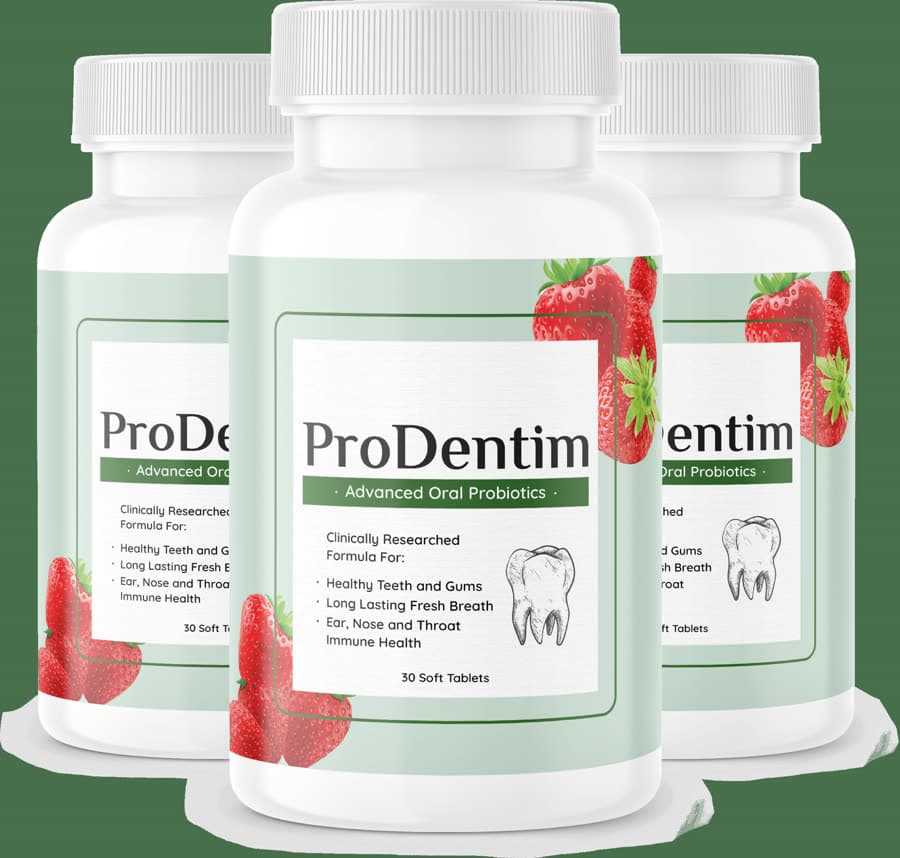
ProDentim
You look at ProDentim when a rinse is the habit you want to stop using as your whole plan.
Order ProDentim soft tabletsProDentim opens on its own order page from this sponsored button.
This site earns a commission through ClickBank on a qualifying purchase.